
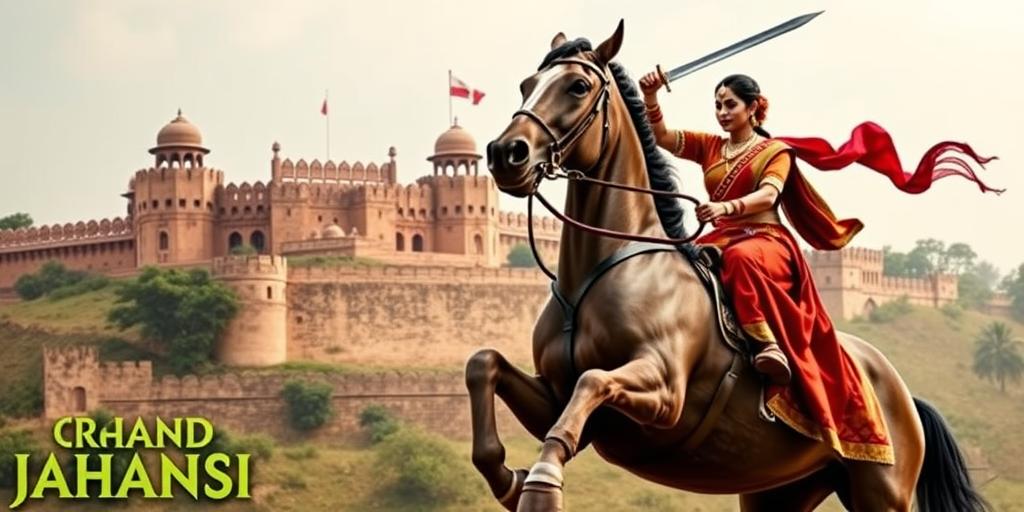
Jhansi, a city steeped in history and valor, is primarily known for its legendary queen, Rani Lakshmibai. Her courage and sacrifice during the Indian Rebellion of 1857 have made her an iconic figure in Indian history. This blog post delves into the life and times of Rani Lakshmibai and explores the historical sites in Jhansi that stand as testaments to her bravery and the events of that era.
Rani Lakshmibai, born Manikarnika Tambe, was married to Maharaja Gangadhar Rao Newalkar, the ruler of Jhansi. After the Maharaja's death, the British East India Company, under the Doctrine of Lapse, annexed Jhansi, refusing to recognize the adopted heir. This act ignited Rani Lakshmibai's resolve to defend her kingdom.
During the 1857 rebellion, Rani Lakshmibai led her forces against the British, displaying remarkable military acumen and bravery. Her fierce resistance inspired many and turned her into a symbol of Indian resistance against colonial rule. She died fighting valiantly in Gwalior, but her legacy continues to inspire generations.
Historical Sites in Jhansi
Jhansi Fort: The Jhansi Fort is a prominent historical site that offers a glimpse into the city's rich past. It was a key strategic point during the 1857 rebellion. Visitors can explore the fort's various structures, including the Rani Mahal, which was once the residence of Rani Lakshmibai. The fort provides panoramic views of the city and the surrounding landscape.
Rani Mahal: Rani Mahal, now a museum, houses a collection of artifacts related to Rani Lakshmibai and the events of 1857. The exhibits provide valuable insights into her life, her battles, and the historical context of the rebellion. The architecture of the Mahal reflects the regal lifestyle of the queen.
Government Museum, Jhansi: The Government Museum in Jhansi is home to a diverse collection of sculptures, paintings, and artifacts that highlight the region's history and culture. The museum offers a broader understanding of the historical and cultural background of Jhansi and its significance in Indian history.
Samadhi Sthal of Rani Lakshmibai: Located in Gwalior, the Samadhi Sthal marks the place where Rani Lakshmibai breathed her last. It is a memorial dedicated to her courage and sacrifice. Visitors pay homage to the queen and reflect on her enduring legacy.
Mahalakshmi Temple: This temple is dedicated to the goddess Mahalakshmi and is an important religious site in Jhansi. It is believed that Rani Lakshmibai often visited this temple to offer prayers. The temple's architecture and religious significance attract many devotees and tourists.
Visiting Jhansi provides a unique opportunity to connect with the history of India's struggle for independence and to honor the memory of one of its greatest heroes. Rani Lakshmibai's story continues to resonate, reminding us of the values of courage, patriotism, and sacrifice.


